Call us on

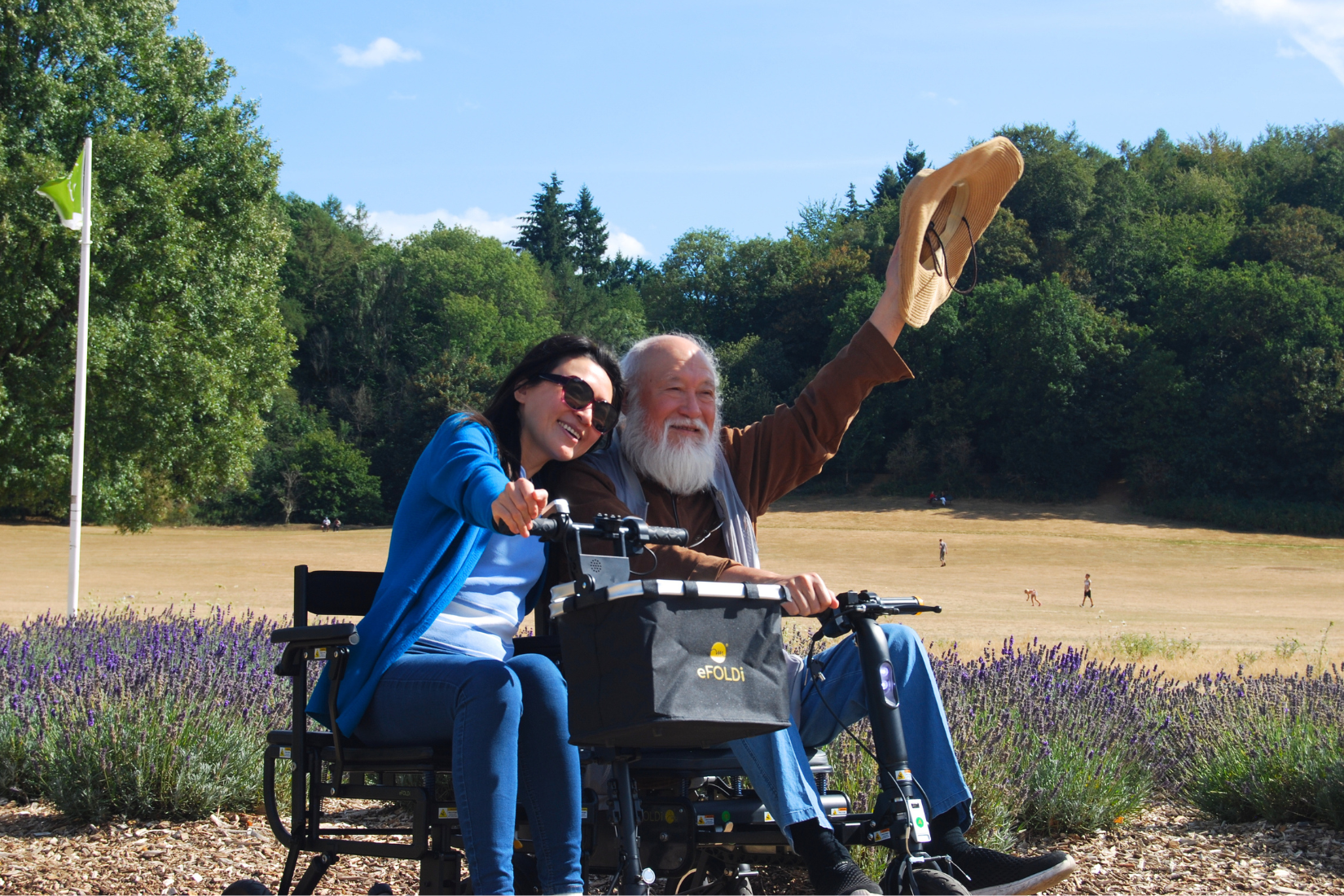
This year marks eFOLDi’s 10th anniversary and, while the business has developed considerably over the past decade, the story still begins with one man trying to solve a problem for himself.
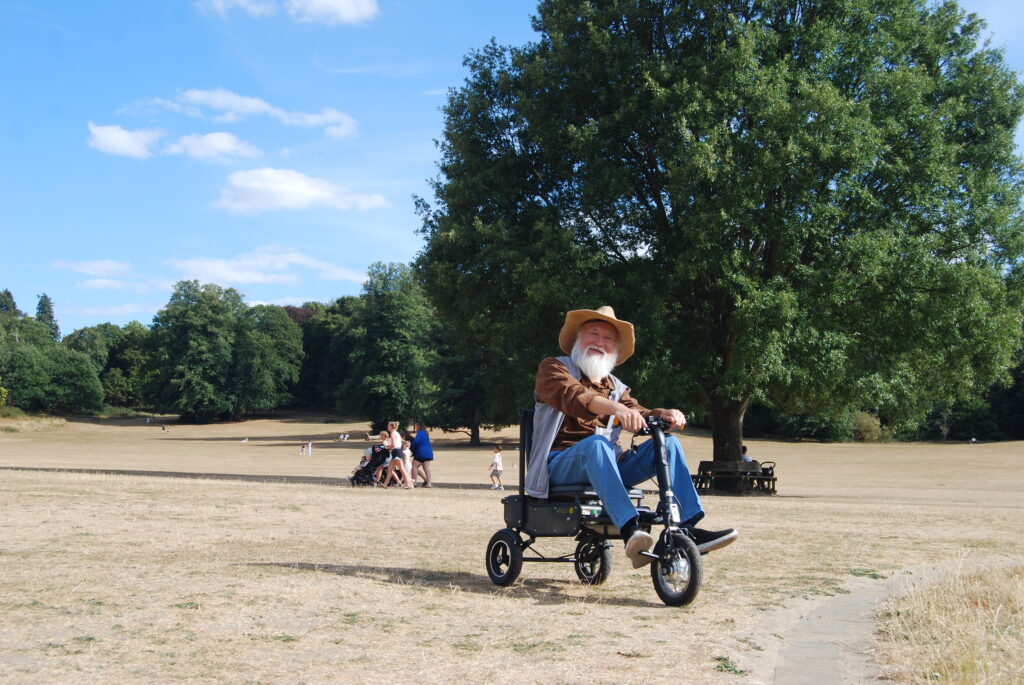
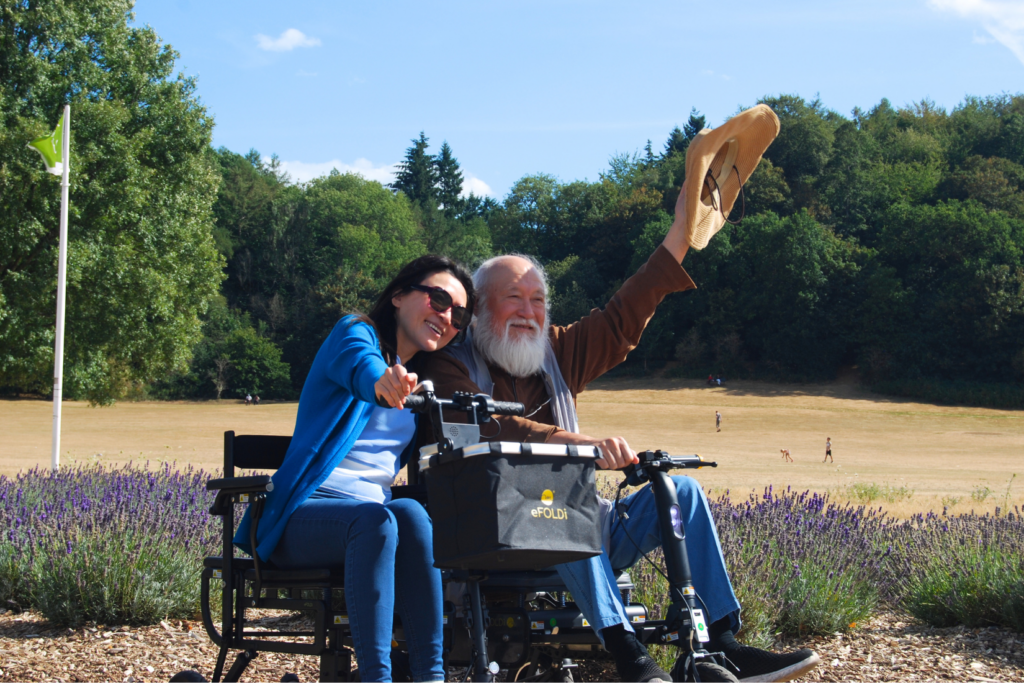
Jianmin Wang is an engineer who has always liked solving problems. After an injury affected his own mobility, he found the scooters available at the time too heavy and cumbersome for the way he wanted to live, so he began thinking about how they could be made lighter, easier to use and more practical to transport.
“When I look at a mobility product, I don’t just see a product, I see a series of engineering decisions,” says Jianmin. “Every joint, every mechanism and every gram of weight affects the experience of the person who depends on it.”
While recovering in hospital, Jianmin spent hours considering different folding mechanisms and ways to make a mobility scooter simpler to use and transport. After a number of redesigns, he developed a system where folding the backrest automatically retracted the rear wheels, reducing the number of actions needed to transform the scooter for travel.
For Jianmin, simplicity has always been a key part of good design. His aim was not to add more mechanisms or unnecessary steps, but to make the process as straightforward as possible for the person using it.
Weight was another major consideration and eventually led him to explore the use of magnesium alloy in some eFOLDi designs. Magnesium offered the combination of low weight, strength and durability he was looking for, although it is more expensive and challenging to work with than some alternative materials.
“For people who regularly lift, fold and transport their mobility product, every kilogram makes a real difference,” he explains. “But reliability and long-term durability are just as important as achieving a low weight.” For Jianmin, weight has always mattered, but never on its own. A portable mobility product needs to be light enough to lift and transport easily, while still offering the strength, stability and durability people rely on every day.
“Good engineering is always about balance. Every design decision affects something else,” he says. “Making a product lighter must never come at the expense of stability, strength, durability or the user’s confidence.”
Over the past ten years, portable mobility products have moved on significantly, but Jianmin’s thinking remains much the same. He believes future development should be about making products easier to use and more intuitive, rather than adding technology or features simply for the sake of it.
“Features that genuinely help users, such as making it easier to overcome everyday obstacles, simplifying operation or improving safety, are far more valuable than adding unnecessary complexity,” he says. “Engineering should remove barriers, not create them.”
Jianmin may be older now, but he has not lost the habit of looking at everyday problems and wondering how they might be solved. Engineering, along with music, remains one of his great passions and he continues to develop new ideas.
“As long as there are problems worth solving and people’s lives can be made a little easier, I’ll continue thinking about the next invention,” he says.